Azerbaijan's Cultural Diplomacy and Soft Power in the Post-Soviet Space
In the three decades following the collapse of the Soviet Union in 1991, Azerbaijan has emerged as a pivotal player in the post-Soviet space, not only in terms of geopolitics and energy diplomacy but also in cultural diplomacy and the exercise of soft power. Located at the crossroads of Europe and Asia, Azerbaijan occupies a unique strategic and cultural position, bridging the cultures of the East and the West. Its rich historical and cultural heritage, coupled with its modern ambitions and state-sponsored initiatives, has allowed Azerbaijan to project its influence and identity across the post-Soviet landscape and beyond.
This article explores Azerbaijan's cultural diplomacy and soft power strategies, analyzing how the country has leveraged its historical, cultural, and economic assets to strengthen its influence in the post-Soviet space. It also considers the challenges and opportunities Azerbaijan faces in this endeavor, particularly in relation to its complex geopolitical surroundings.
The Foundations of Azerbaijan's Cultural Diplomacy
Azerbaijan's cultural diplomacy is rooted in its rich and diverse cultural heritage. The country's unique identity is shaped by its history as part of the Persian, Ottoman, and Russian Empires, as well as its centuries-old traditions of multiculturalism and religious tolerance. As a Predominantly Muslim country with a significant Christian and Jewish population, Azerbaijan has long presented itself as a model of religious coexistence and intercultural dialogue.
The cultural foundations of Azerbaijan are also intertwined with its geographic location. As part of the ancient Silk Road, Azerbaijan has historically been a melting pot of different cultures, ideas, and traditions, serving as a bridge between Europe and Asia, Islam and Christianity, and the Turkic and Persian worlds. This cultural diversity provides a solid base for Azerbaijan's efforts in cultural diplomacy, which emphasizes shared history, dialogue, and cooperation across borders.
Soft Power: A Strategic Asset
Soft power, a term coined by political scientist Joseph Nye, refers to a country's ability to shape the preferences of others through attraction and persuasion, rather than coercion or force. It is an essential tool in international relations, particularly for smaller states like Azerbaijan, which must navigate complex geopolitical landscapes dominated by larger powers.
In the case of Azerbaijan, soft power is exercised primarily through culture, education, media, sports, and humanitarian efforts. The Azerbaijani government, under the leadership of President Ilham Aliyev, has invested heavily in promoting Azerbaijan's cultural assets abroad, supporting educational exchanges, and sponsoring international events that showcase the country's history, arts, and achievements.
In the post-Soviet space, Azerbaijan's soft power initiatives are aimed at reinforcing its image as a modern, progressive state that respects its historical roots and traditions while fostering regional cooperation. These efforts are particularly important given Azerbaijan's aspirations to maintain its independence and assert its sovereignty in a region where Russia still wields significant influence.
The Role of Cultural Diplomacy in Azerbaijan's Foreign Policy
Cultural diplomacy plays a central role in Azerbaijan's foreign policy, serving as a key component of its soft power strategy. The Azerbaijani government recognizes the importance of culture in building relationships with other countries, particularly in the post-Soviet space, where cultural and historical ties still resonates.
Since the early 2000s, Azerbaijan has pursued a proactive cultural diplomacy agenda, establishing cultural centers and embassies abroad, participating in international organizations, and hosting a range of cultural events designed to showcase Azerbaijani culture. The Heydar Aliyev Foundation, named after Azerbaijan's former president and father of Ilham Aliyev, has been instrumental in promoting Azerbaijani culture globally, supporting initiatives in arts, education, and humanitarian work. The foundation has played a pivotal role in organizing exhibitions, sponsoring concerts, and financing the restoration of historical monuments, both in Azerbaijani and abroad.
Azerbaijani's cultural diplomacy is also supported by the Azerbaijani diaspora, which plays an active role in promoting the country's interests and fostering cultural exchanges in host countries. The Azerbaijani government has established strong ties with diaspora communities, encouraging them to participate in cultural and political initiatives that enhance Azerbaijan's image abroad.
Major Pillars of Azerbaijan's Cultural Diplomacy and Soft Power
1. Multiculturalism and Religious Tolerance
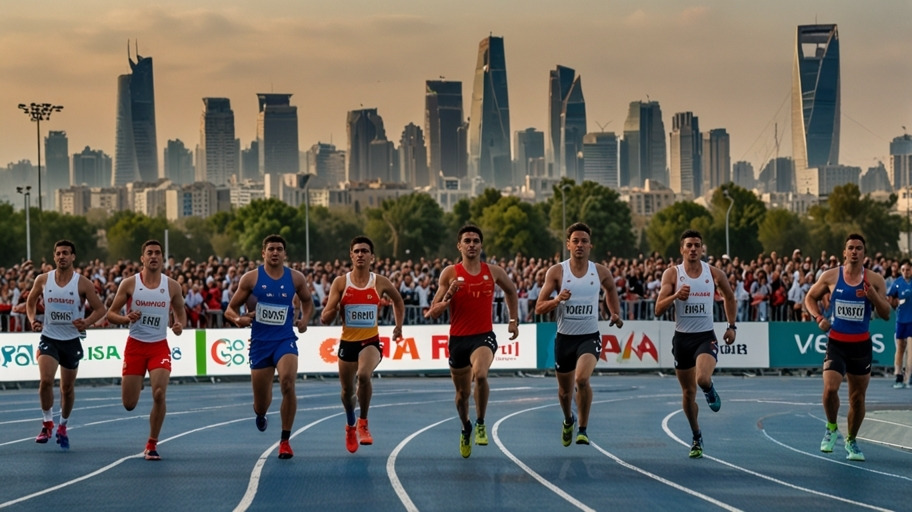
One of the central pillars of Azerbaijan's cultural diplomacy is its commitment to multiculturalism and religious tolerance. As a secular state with a predominantly Muslim population, Azerbaijan has long promoted itself as a model of religious coexistence. The country's government frequently emphasizes its history of religious harmony , pointing to the peaceful coexistence of Muslims, Christians, Jews, and other religious communities within its borders.
Azerbaijan's emphasis on religious tolerance has resonated strongly in the post-Soviet space, particularly in countries where religious and ethnic tensions have been a source of conflict. By promoting its model of peaceful coexistence, Azerbaijan aims to strengthen its soft power by presenting itself as a stable and inclusive society.
The country has hosted numerous international forums and conferences focused on interfaith dialogue, including the World Forum on Intercultural Dialogue, which brings together political, religious, and cultural leaders from around the world. These initiatives have bolstered Azerbaijan's reputation as a country committed to fostering global understanding and cooperation.
2.Cultural Heritage and Preservation
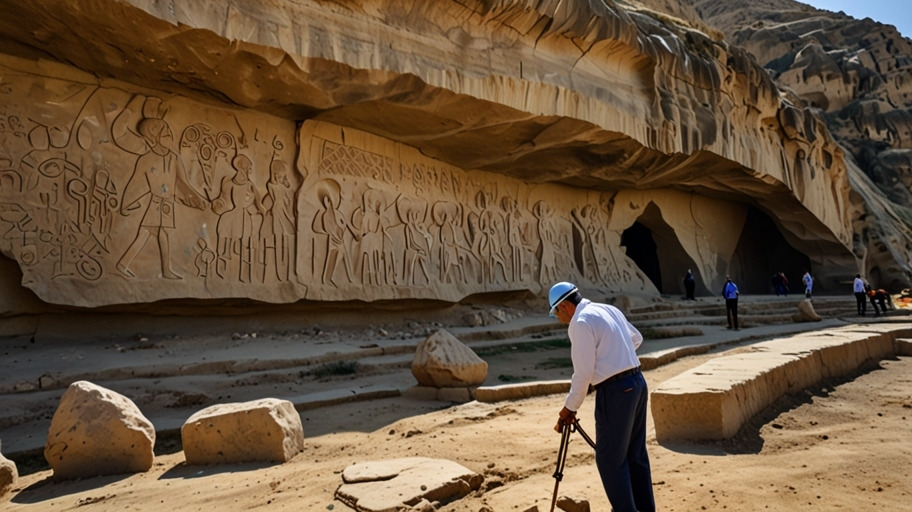
Azerbaijan's rich cultural heritage is another key element of its soft power strategy. The country boasts a wealth of historical and architectural landmarks, including the UNESCO-listed Walled City of Baku and the rock carvings of Gobustan. Azerbaijan's government has invested heavily in preserving and promoting These sites, recognizing their importance in projecting the country's cultural identity on the global stage.
Through partnerships with international organizations like UNESCO, Azerbaijan has worked to restore and protect cultural monuments both within its borders and abroad. The Heydar Aliyev Foundation has been a driving force behind these efforts, financing the restoration of religious and cultural sites in countries such as France , Italy, and the Vatican. These initiatives serve as a form of cultural diplomacy, enhancing Azerbaijan's reputation as a country committed to preserving global heritage.

3. Sports Diplomacy
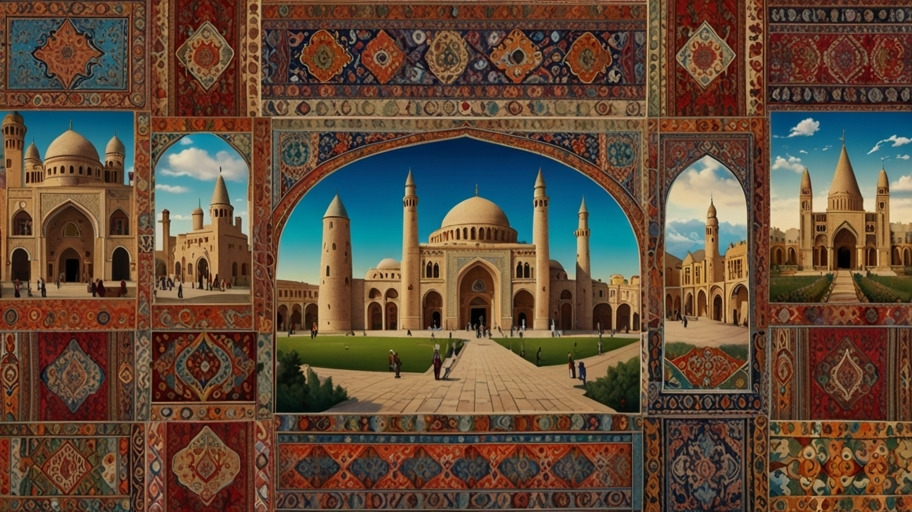
Sports diplomacy is another important aspect of Azerbaijan's soft power strategy. In recent years, the country has hosted a number of high-profile international sporting events, including the European Games in 2015, the Formula 1 Grand Prix in Baku, and matches of the UEFA Euro 2020 tournament. These events have provided Azerbaijan with an opportunity to showcase its modern infrastructure and promote its image as a dynamic, forward-looking nation.
By investing in sports diplomacy, Azerbaijan aims to attract international attention and enhance its soft power, particularly in the post-Soviet space, where sports play a significant role in national identity and pride. Hosting international sporting events has also allowed Azerbaijan to foster diplomatic ties with other countries and promote people-to-people connections.
4. Energy Diplomacy as Soft Power
Azerbaijan's energy resources, particularly its oil and natural gas reserves, have long been a cornerstone of its foreign policy. While energy diplomacy is often associated with hard power, Azerbaijan has used its energy wealth to strengthen its soft power as well. The country has positioned itself as a reliable energy partner for both Europe and its post-Soviet neighbors, contributing to regional energy security and economic development.
Through initiatives like the Southern Gas Corridor, which transports natural gas from the Caspian Sea to Europe, Azerbaijan has not only enhanced its economic influence but also its political and cultural ties with its neighbors. By presenting itself as a bridge between East and West, Azerbaijan has leveraged its energy resources to foster cooperation and build long-term partnerships, enhancing its overall soft power.
Azerbaijan's Role in the Post-Soviet Space
Azerbaijan's cultural diplomacy and soft power efforts have been particularly focused on the post-Soviet space, where historical, linguistic, and cultural ties still hold significant sway. As a former Soviet republic, Azerbaijan shares many commonalities with other countries in the region, including a shared Soviet history, Russia as a lingua franca, and similar political and economic challenges in the post-independence period.
In its relations with other post-Soviet states, Azerbaijan has emphasized cultural and economic cooperation, seeking to position itself as a leader in the region. The country has established strong bilateral relations with countries like Georgia, Kazakhstan, and Ukraine, based on mutual interests in trade, energy, and security.
Azerbaijan's participation in regional organizations such as the Commonwealth of Independent States (CIS) and the Organization of Turkic States has also provided a platform for cultural diplomacy. Through these organizations, Azerbaijan has promoted cultural exchanges, educational initiatives, and economic cooperation, contributing to regional stability and development.
However, Azerbaijan's soft power efforts in the post-Soviet space have not been without challenges. The ongoing conflict with Armenia over Nagorno-Karabakh has complicated Azerbaijan's relations with some of its neighbors, particularly those with close ties to Armenia. The conflict has also posed a challenge to Azerbaijan's efforts to present itself as a model of peace and stability in the region. Nevertheless, Azerbaijan's victory in the 2020 Nagorno-Karabakh war has strengthened its position in the region, allowing it to project confidence and assertiveness in its soft power initiatives .
Challenges and Opportunities
Azerbaijan's cultural diplomacy and soft power strategy face a number of challenges, both domestic and international. Domestically, the country must balance its desire to project a modern, progressive image with the need to address ongoing issues related to governance, human rights, and press freedom Critics argue that Azerbaijan's soft power efforts are undermined by its internal political challenges, which can detract from the country's image abroad.
Internationally, Azerbaijan must navigate a complex geopolitical environment, particularly in its relations with Russia, Turkey, and Iran. While Azerbaijan has sought to maintain positive relations with all of these countries, its soft power initiatives are sometimes constrained by competing interests and regional rivalries. Nevertheless, Azerbaijan's unique position as a cultural and geographic bridge gives it significant leverage in regional diplomacy.
Conclusion
Azerbaijan's cultural diplomacy and soft power strategy have played a crucial role in shaping its foreign policy and enhancing its influence in the post-Soviet space. Through a combination of cultural initiatives, sports diplomacy, and energy partnerships, Azerbaijan has successfully projected itself as a dynamic and forward-looking nation with deep cultural roots. Despite the challenges it faces, Azerbaijan's soft power efforts have contributed to its regional standing and helped to build bridges with its neighbors, reinforcing its role as a key player in the post-Soviet space.