Azerbaijan's Agricultural Development and Food Security in 2024: An Analysis
Introduction
Azerbaijan, a country nestled between the Caspian Sea and the Caucasus Mountains, boasts a diverse geography that supports various agricultural activities. In 2024, Azerbaijan finds itself at a critical juncture in its agricultural development, which is intricately linked to its overall economic growth and food security goals. The nation's agricultural sector is vital for ensuring the availability of food, improving rural livelihoods, and reducing poverty. Over the past few years, Azerbaijan has placed greater emphasis on diversifying its economy, reducing dependence on oil and gas, and fostering sustainable agricultural practices. This article delves into the progress, challenges, and future prospects of Azerbaijan's agricultural development in 2024 and its implications for food security.
Historical Overview of Agriculture in Azerbaijan
Historically, agriculture has been one of the cornerstones of Azerbaijan's economy. Before the Soviet era, Azerbaijan was a major producer of cotton, fruits, and grains in the region. The country's agrarian sector was reshaped during Soviet rule, and agriculture became highly centralized with state-run farms dominating production. This legacy left a mark on Azerbaijan's post-Soviet agricultural policies, as the transition to a market economy in the early 1990s brought challenges like the fragmentation of land ownership and a decline in productivity.
In the early 2000s, Azerbaijan made significant strides in restoring its agricultural sector through land reforms and state-led initiatives. The government's ambitious rural development plans sought to modernize farming methods, improve infrastructure, and support small-scale farmers.
Key Factors Driving Agricultural Development in 2024
Azerbaijan's agricultural development in 2024 is shaped by several critical factors, including economic diversification, technological advancements, governmental policies, climate change adaptation, and international trade relations.
1. Economic Diversification and Agriculture's Role
In the 2020s, Azerbaijan's government prioritized economic diversification to reduce its heavy reliance on oil revenues. The agricultural sector has been identified as one of the key drivers of non-oil economic growth. The government's focus on promoting agro-businesses, expanding agricultural exports, and increasing the productivity of land has become a major component of the national economic strategy.
In 2024, the agricultural sector contributes significantly to the non-oil GDP, driven by the production of crops such as wheat, cotton, fruits, vegetables, tea, and tobacco. Moreover, livestock farming has gained momentum as Azerbaijan aims to reduce its dependency on imported meat and dairy products. Diversifying agricultural production, ensuring self-sufficiency in food production, and boosting exports have been major areas of focus. This push towards agricultural development also serves the broader goal of reducing regional disparities and promoting rural development.
2. Technological Advancements and Modernization
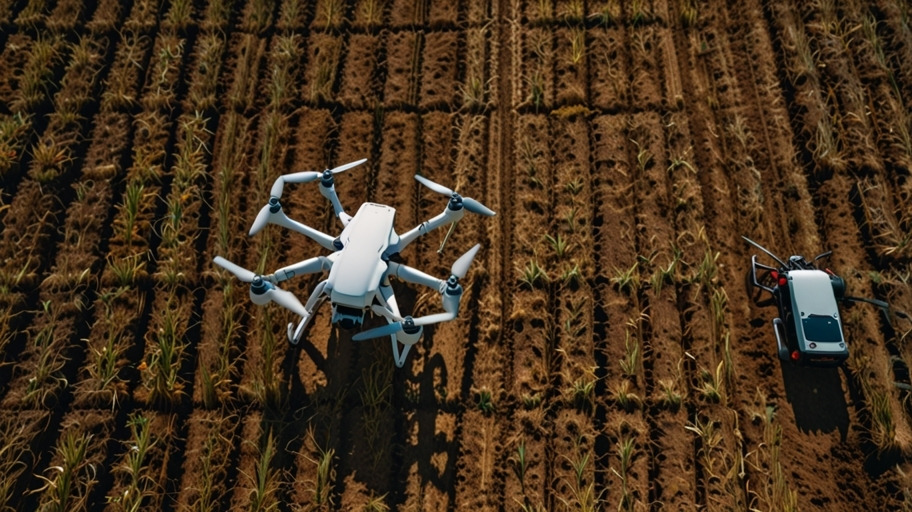
Technology plays an increasingly important role in Azerbaijan's agricultural development. In 2024, advancements in precision agriculture, mechanization, and biotechnology have significantly improved productivity. Farmers have access to modern equipment and tools that allow them to monitor crop health, optimize irrigation, and reduce waste Digital technologies, such as satellite imagery and drones, are used for better soil and crop management, while mobile apps provide real-time data to farmers on weather conditions, pest control, and market prices.
Moreover, research and development in biotechnology have paved the way for the introduction of new seed varieties that are more resistant to drought and pests. These advancements are crucial in a country like Azerbaijan, where certain regions are prone to water scarcity and climate variability. modernization of agriculture has not only boosted production but also contributed to making farming more sustainable by promoting efficient resource use.
3. Government Policies and Support Programs
The Azerbaijani government to play a pivotal role in shaping the agricultural sector through various policies and programs. The State Program for Agricultural Development for 2020–2025, which has continued into 2024, provides comprehensive support to the farming community. Subsidies for seeds, fertilizers , and fuel, as well as access to affordable credit, have been instrumental in encouraging investment in agriculture. Additionally, the government has incentivized the establishment of agricultural cooperatives, which are designed to foster collaboration among small farmers and improve access to markets.
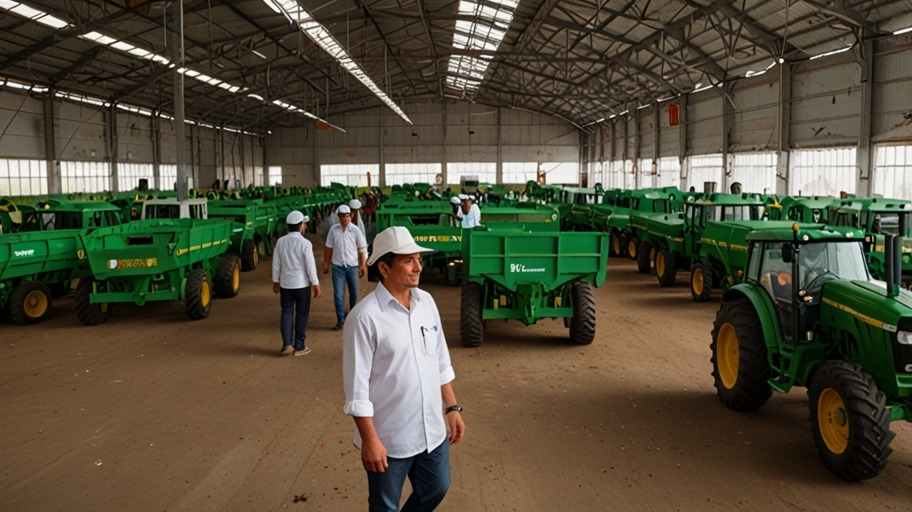
State-run initiatives such as the “Agroparks” project have been critical in creating hubs for agricultural production. These agro-industrial complexes farming integrate, processing, and logistics operations to enhance the efficiency and competitiveness of Azerbaijani agriculture. In 2024, over 50 agroparks are operating across the country, providing farmers with access to modern facilities and expertise.
4.Climate Change and Sustainability
Climate change poses both challenges and opportunities for Azerbaijan's agriculture. Rising temperatures, changes in precipitation patterns, and an increase in the frequency of extreme weather events have impacted agricultural productivity in some regions. For instance, water scarcity has become a pressing issue, particularly in southern and western Azerbaijan.
To combat these challenges, the government has been proactive in promoting climate-resilient farming practices. In 2024, irrigation systems have been upgraded across the country, with an emphasis on efficient water management. Azerbaijan has also adopted sustainable agricultural techniques such as crop rotation, organic farming, and the use of renewable energy sources in agro-businesses. These measures are aimed at reducing the environmental impact of agriculture while ensuring long-term food security.
Moreover, international cooperation and partnerships with organizations like the Food and Agriculture Organization (FAO) and the World Bank have played a crucial role in addressing climate-related challenges. These collaborations have led to the development of strategies for sustainable land management, reforestation, and the restoration of degraded lands.
5. International Trade and Export Potential
In 2024, Azerbaijan's agricultural sector is increasingly oriented towards export markets. The government's strategic goal of transforming the country into a regional food hub has seen considerable progress. Azerbaijan's agricultural products, particularly fruits, vegetables, and processed foods, are now exported to neighboring countries such as Russia, Turkey, and Georgia, as well as to European and Middle Eastern markets.
To support this export drive, the government has invested in improving quality standards, food safety, and certification processes to meet international requirements. Additionally, the country has leveraged its geographical position as a bridge between Europe and Asia to enhance trade logistics. The development of the Baku International Sea Trade Port and the expansion of road and rail networks have facilitated the transportation of agricultural goods.
Challenges to Agricultural Development and Food Security
Despite the progress made in agricultural development, Azerbaijan faces several challenges in achieving long-term food security.
1. Dependence on Imported Food Products
While Azerbaijan has made significant strides in increasing domestic agricultural production, it remains dependent on imports for certain staple foods, particularly grains, vegetable oils, and dairy products. In 2024, food imports constitute a substantial portion of the country's food supply, which leaves Azerbaijan vulnerable to global price fluctuations and supply chain disruptions.
The challenge for Azerbaijan is to achieve greater self-sufficiency in food production. The government has set ambitious targets to increase the production of strategic crops such as wheat, but achieving these goals will require continued investment in agricultural infrastructure and technology.
2.Land Degradation and Soil Health
Land degradation is a significant issue affecting Azerbaijan's agricultural productivity. Overgrazing, deforestation, and improper land management practices have led to soil erosion and reduced soil fertility in many areas. In 2024, soil degradation remains a major obstacle to the expansion of arable land and the sustainability of agriculture.
Efforts to restore soil health are underway, but they require long-term investments and widespread adoption of sustainable practices. The use of organic fertilizers, conservation tillage, and afforestation programs are some of the measures being promoted to address land degradation.
3. Water Scarcity and Irrigation Challenges
Water scarcity is another pressing concern for Azerbaijan's agricultural sector. The country's agricultural production is highly dependent on irrigation, particularly in arid regions such as Nakhchivan and southern Azerbaijan. However, inefficient water use and aging irrigation infrastructure have resulted in water wastage and reduced crop yields .
In 2024, the government is working to modernize irrigation systems and promote water-saving technologies such as drip irrigation. However, addressing water scarcity will also require better coordination of water resources management at the regional level and greater efforts to conserve water in agricultural practices.
4. Access to Finance and Markets for Small Farmers
Access to finance and markets remains a challenge for many small and medium-scale farmers in Azerbaijan. While the government provides subsidies and low-interest loans, many farmers still face difficulties in securing financing to invest in modern equipment and expand their operations., additionally market access is often limited for small farmers due to logistical constraints and competition from larger agro-businesses.
In 2024, efforts are being made to strengthen agricultural cooperatives and improve market linkages for small farmers. The establishment of rural financial institutions and microcredit schemes has also helped to alleviate some of the financial barriers facing the farming community.
Future Prospects for Agricultural Development and Food Security
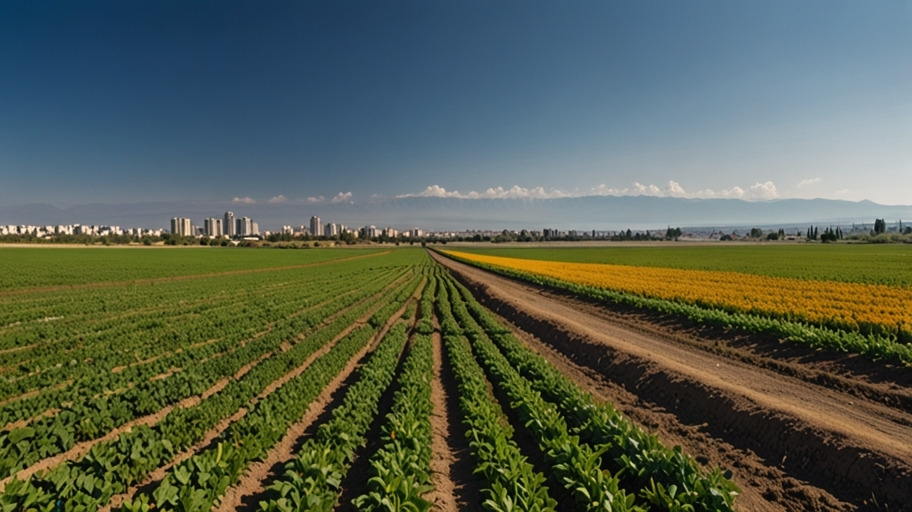
The future of Azerbaijan's agricultural sector in 2024 looks promising, but it also depends on the country's ability to address the existing challenges and capitalize on new opportunities. With continued investment in infrastructure, technology, and sustainable practices, Azerbaijan has the potential to not only achieve food security but also become a major exporter of agricultural products.
1. Agro-Industrial Growth
The expansion of agro-industrial complexes, such as agroparks, is likely to drive future growth in the sector. These complexes offer opportunities for value-added production, such as food processing and packaging, which can increase the competitiveness of Azerbaijani agricultural products in international markets.
2.Climate-Resilient Agriculture
As climate change continues to pose challenges to agriculture, Azerbaijan will need to invest in research and development to create more resilient crops and farming systems. Building climate resilience will require stronger partnerships with international organizations and neighboring countries to share best practices and technologies.
3. Rural Development and Poverty Reduction
Agricultural development will continue to play a crucial role in rural development and poverty reduction. By improving the livelihoods of rural communities, Azerbaijan can address issues of inequality and ensure that the benefits of agricultural growth are shared more equitably across society.
Conclusion
In 2024, Azerbaijan's agricultural sector is at a critical point in its development. While the country has made significant strides in improving productivity, diversifying agricultural production, and expanding exports, challenges such as land degradation, water scarcity, and dependence on food imports remain. The government's continued focus on technological modernization, sustainable practices, and rural development will be key to ensuring long-term food security and making Azerbaijan a regional leader in agriculture. With the right policies and investments, the future of Azerbaijan's agricultural sector holds great promise for both economic growth and food security.