Azerbaijan's Growing Tourism Industry and Cultural Heritage Preservation
Azerbaijan, situated at the crossroads of Eastern Europe and Western Asia, is rapidly becoming a burgeoning destination for international tourists. With its stunning natural landscapes, rich history, vibrant culture, and a mix of ancient and modern architecture, Azerbaijan's tourism industry has seen substantial growth in recent years. The country is also taking significant steps to preserve its vast cultural heritage, which spans millennia, combining influences from the East and the West.
This article will explore the factors contributing to Azerbaijan's growing tourism sector, the role of cultural heritage in shaping the country's identity, and the initiatives taken by the government and various organizations to ensure that the country's unique historical and cultural assets are preserved for future generations.
Azerbaijan: A Tourist Destination on the Rise
Azerbaijan's tourism industry has experienced a surge in recent years, thanks to its strategic location, economic development, and improved infrastructure. The country has successfully positioned itself as a tourism hub, attracting visitors from various regions including Europe, the Middle East, Asia, and the Commonwealth of Independent States (CIS).
Strategic Location and Geopolitical Importance
Azerbaijan's position between Europe and Asia makes it an accessible destination for travelers from both continents. The capital city, Baku, is a key focal point for tourism, offering modern attractions alongside historical sites. Azerbaijan is also a crucial part of the ancient Silk Road, and its historical significance as a meeting point of various civilizations enhances its appeal for culturally-minded travelers.
In recent years, Azerbaijan has improved its connectivity with direct flights from major cities around the world, making it easier for tourists to visit the country. The visa-on-arrival policy for several countries and the introduction of electronic visas have also facilitated an influx of visitors.

Economic Development and Investment in Tourism Infrastructure
Azerbaijan's economic development, fueled by its rich oil and gas resources, has enabled the country to invest heavily in infrastructure, including roads, airports, hotels, and other facilities that support tourism. Baku, the nation's capital, has undergone rapid modernization and transformation, with luxury hotels, restaurants, and entertainment venues attracting high-end tourists. The city's skyline, which boasts architectural marvels such as the Flame Towers and the Heydar Aliyev Center, reflects the country's modern aspirations.
Baku's vibrant nightlife, diverse scene, and cosmopolitan atmosphere have made it a top destination for both leisure and business travelers. In addition, the government has invested in developing tourism infrastructure in rural areas, encouraging eco-tourism and cultural tourism in regions like Gabala , Sheki, and Ganja.
The government's dedication to diversifying its economy away from oil has also led to increased focus on tourism as a key pillar for future growth. The State Tourism Agency of Azerbaijan has been proactive in promoting the country as a premier destination for both leisure and business tourism, targeting different types of visitors with varying interests—from history and culture to adventure and nature.
International Events and Global Visibility
Azerbaijan has hosted several high-profile international events in recent years, including the Eurovision Song Contest in 2012, the European Games in 2015, the Formula 1 Azerbaijan Grand Prix, and several United Nations and international business forums. These events have significantly boosted Azerbaijan's visibility on the global stage, attracting tourists who may not have previously considered the country as a travel destination.
The Formula 1 Azerbaijan Grand Prix, in particular, has drawn in motorsport enthusiasts from around the world, offering a unique opportunity for visitors to experience Baku's urban track, which winds through the city's historic center and along the Caspian Sea waterfront. These major events have also led to an increase in demand for hospitality and transportation services, further stimulating the tourism sector.
Natural Attractions: From the Caspian Sea to the Caucasus Mountains
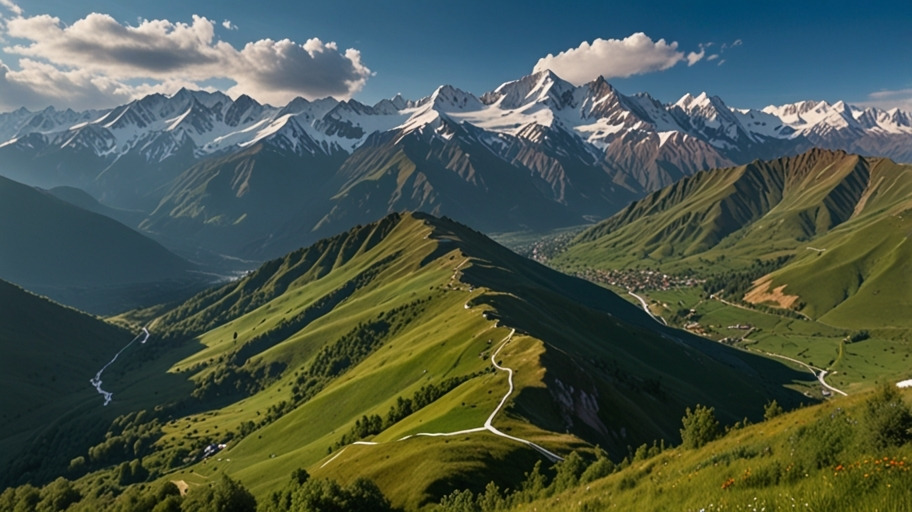
In addition to its urban appeal, Azerbaijan offers a wide range of natural attractions, from the Caspian Sea's coastal areas to the stunning landscapes of the Caucasus Mountains. The country's varied topography allows visitors to engage in different activities, including beach holidays, hiking, skiing , and nature exploration.
The Gobustan National Park, a UNESCO World Heritage site, features over 6,000 rock engravings that date back over 40,000 years, offering insight into early human civilization in the region. The mud volcanoes in the area are another unique attraction, as Azerbaijan boasts nearly half of the world's mud volcanoes. The rich biodiversity in the country's national parks, such as Shahdag National Park and Hirkan National Park, also attracts nature lovers and eco-tourists.
Cultural Heritage: A Unique Blend of East and West
Azerbaijan is home to an incredibly rich cultural heritage that spans millennia. It is a unique blend of East and West, with influences from Persian, Ottoman, Russian, and European cultures. The country's historical significance as a center for trade, religion, and cultural exchange is reflected in its architecture, traditions, and customs.
The Historic Center of Baku and the Maiden Tower
Baku's Old City (Icherisheher), a UNESCO World Heritage site, is a labyrinth of narrow alleys, ancient mosques, palaces, and traditional courtyard houses. One of the most iconic landmarks within the Old City is the Maiden Tower, a mysterious structure that dates back to the 12th century. Its purpose has been debated for centuries, with theories suggesting it was a defensive fortification, a Zoroastrian temple, or an observatory.
The Palace of the Shirvanshahs, also located in the Old City, is another masterpiece of medieval architecture, offering a glimpse into Azerbaijan's royal past. Both the Maiden Tower and the Shirvanshah Palace are examples of Azerbaijan's dedication to preserving its cultural heritage, even as the country embraces modernity.
Sheki and the Khans' Palace
The city of Sheki, located in the foothills of the Greater Caucasus Mountains, is another cultural gem of Azerbaijan. The city is famous for its well-preserved historic architecture, especially the Palace of the Sheki Khans. This 18th-century palace is renowned for Its stunning stained-glass windows, intricate frescoes, and wooden craftsmanship, showcasing the artistic skills of Azerbaijani artisans.
Sheki was also added to the UNESCO World Heritage list in 2019, further cementing its status as a key cultural destination. The city's cobbled streets, caravanserais, and traditional houses transport visitors back in time, offering a glimpse into Azerbaijan's historical and architectural legacy.
Preserving Azerbaijan's Intangible Cultural Heritage
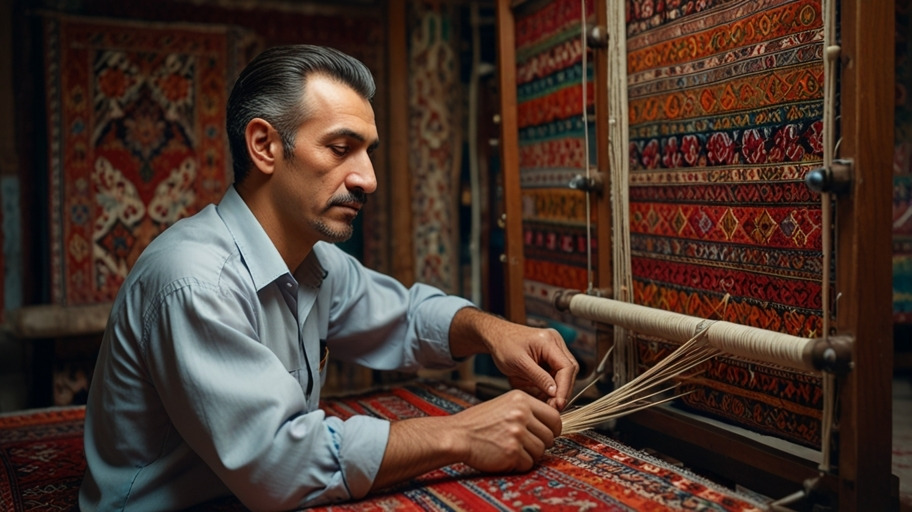
In addition to its architectural landmarks, Azerbaijani places great emphasis on preserving its intangible cultural heritage. Traditional music, dance, and crafts play an important role in Azerbaijani culture. Mugham, a traditional form of Azerbaijani music, is inscribed on UNESCO's Intangible Cultural Heritage list , as is the art of Azerbaijani carpet weaving.
Carpet weaving, in particular, holds a special place in Azerbaijani culture. Azerbaijani carpets are renowned for their intricate designs, vibrant colors, and craftsmanship. The Azerbaijani Carpet Museum in Baku showcases the history and evolution of carpet weaving in the country, and ongoing efforts are made to preserve this ancient tradition.
Cultural Heritage Preservation Initiatives
Azerbaijan has made strides in preserving its cultural heritage, both tangible and intangible, through various initiatives and partnerships. The government, along with organizations such as UNESCO and the International Council on Monuments and Sites (ICOMOS), has been actively involved in the preservation and restoration of historical monuments and cultural sites.
Restoration of Historical Monuments
Azerbaijan has undertaken restoration projects to protect its historical monuments and cultural sites. For example, the restoration of the Maiden Tower and the Palace of the Shirvanshahs in Baku has been meticulously carried out to maintain their historical integrity. Extensive, efforts have been made to preserve the ancient petroglyphs in Gobustan and the architectural heritage of Sheki.
The State Service for the Protection, Development, and Restoration of Cultural Heritage under the Ministry of Culture has played a key role in overseeing these projects. The government has also worked to ensure that modern developments do not encroach upon historical sites, preserving the unique character of places like Baku's Old City.
Promoting Cultural Tourism
The promotion of cultural tourism has been a priority for Azerbaijan's tourism authorities. Events such as the International Mugham Festival, the Baku International Jazz Festival, and the Gabala Music Festival have helped to showcase Azerbaijan's rich cultural heritage to international audiences. These festivals not only celebrate traditional Azerbaijani music and arts but also provide a platform for cultural exchange with artists and performers from around the world.
The country's growing cultural tourism sector is also supported by the development of heritage trails and cultural routes that guide visitors through Azerbaijan's historical landmarks, museums, and cultural sites. Initiatives like the “Silk Road” tourism corridor further emphasize Azerbaijan's role as a historical meeting point for diverse civilizations.
Partnerships with International Organizations
Azerbaijan's commitment to cultural heritage preservation is reinforced through its partnerships with international organizations. The country is an active member of UNESCO and has collaborated on several cultural preservation projects. These efforts are aimed at safeguarding both tangible and intangible cultural heritage, including traditional arts, crafts , and oral traditions.
Azerbaijan's active participation in global initiatives for cultural preservation reflects its understanding of the importance of heritage as a foundation for national identity and tourism development.
Challenges and Future Outlook
Despite its successes, Azerbaijan faces challenges in balancing the demands of tourism growth with the need for cultural heritage preservation. The rapid development of infrastructure, particularly in urban areas like Baku, has raised concerns about the potential impact on historical sites and traditional ways of life Ensuring that modernization does not come at the expense of cultural heritage is a delicate task that requires careful planning and coordination between tourism authorities, conservation experts, and local communities.
Going forward, Azerbaijan's tourism industry is expected to continue growing, driven by a combination of cultural tourism, eco-tourism, and adventure tourism. The country's strategic location, rich history, and diverse attractions make it an appealing destination for a wide range of travelers However, maintaining the authenticity of its cultural heritage while embracing modernity will be key to ensuring sustainable tourism development.
Conclusion
Azerbaijan's growing tourism industry and cultural heritage preservation efforts are intertwined. As the country opens its doors to more visitors, it is also working hard to protect its unique historical and cultural identity. From the ancient city of Baku to the natural wonders of the Caucasus Mountains , Azerbaijan offers a diverse array of experiences for tourists. By promoting sustainable tourism and preserving its cultural heritage, Azerbaijan is ensuring that future generations can continue to enjoy the treasures of this remarkable country.