Azerbaijan's Participation in Global Energy Markets and OPEC+
Azerbaijan's participation in global energy markets is a significant aspect of its economic and geopolitical influence. Situated at the crossroads of Europe and Asia, Azerbaijan holds strategic importance due to its abundant energy resources, particularly oil and natural gas. As one of the oldest oil- producing countries in the world, Azerbaijan's role in global energy markets has evolved over time, gaining new relevance in the 21st century. Additionally, Azerbaijan's membership in OPEC+ (the Organization of the Petroleum Exporting Countries and its allies) underscores its role in shaping global oil markets and its diplomatic strategy within the international energy community.
Historical Context: Azerbaijan's Legacy as an Oil Producer
Azerbaijan has a long and storied history of oil production, dating back to the 19th century. The first oil well was drilled in Azerbaijan in 1846 near Baku, a full 13 years before the first oil well in the United States. By the late 19th and early 20th centuries, Baku had emerged as a major oil-producing center, with investors from Russia, Europe, and the United States pouring capital into the region. During this period, Azerbaijan was responsible for a significant portion of global oil production, and the city of Baku became synonymous with the burgeoning global oil industry.
In the Soviet era, Azerbaijan's oil industry continued to be a crucial component of the USSR's economy. Azerbaijan's oil production, however, began to decline in the second half of the 20th century as the Soviet Union shifted its focus to other oil-producing regions. Despite this decline, the expertise and infrastructure developed during this period laid the foundation for Azerbaijan's resurgence as a major oil producer in the post-Soviet era.
Post-Soviet Independence and the Birth of the Modern Oil Industry
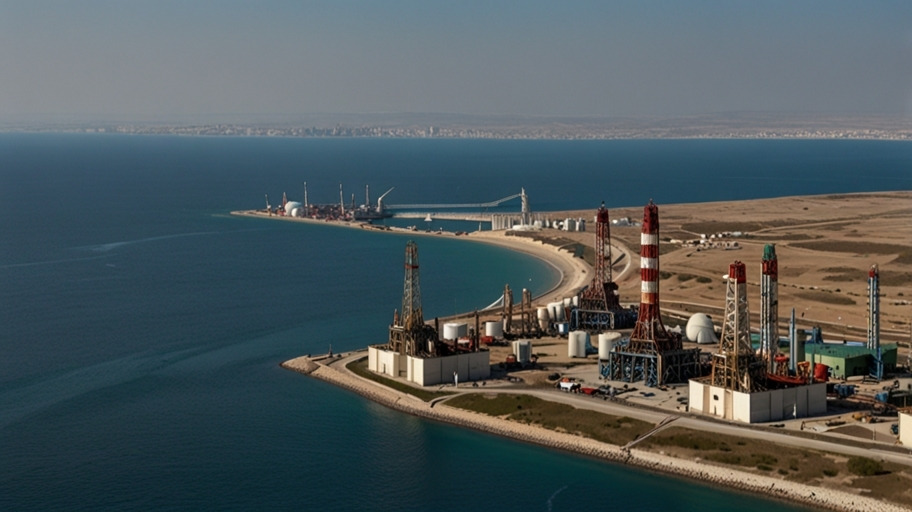
With the dissolution of the Soviet Union in 1991, Azerbaijan regained its independence and control over its natural resources. The government of Azerbaijan, under the leadership of Heydar Aliyev, quickly recognized the importance of oil and gas exports for the country's economic development and political stability In 1994, Azerbaijan signed the "Contract of the Century," a landmark production-sharing agreement with a consortium of major international oil companies. This agreement marked the beginning of Azerbaijan's transformation into a modern energy power.
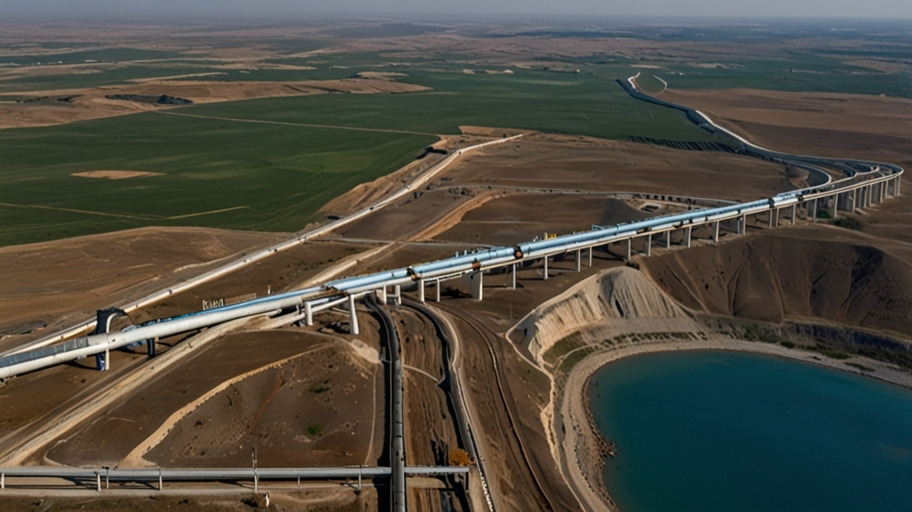
The development of the Azeri-Chirag-Gunashli (ACG) oil field in the Caspian Sea, one of the largest oil fields in the world, played a pivotal role in Azerbaijan's energy strategy. Oil production from ACG, along with the construction of the Baku -Tbilisi-Ceyhan (BTC) pipeline, which transports oil from Azerbaijan to the Mediterranean Sea via Georgia and Turkey, solidified Azerbaijan's position as a key player in global energy markets.
Azerbaijan's Role in Global Energy Markets
Azerbaijan's oil and gas exports are critical to its economy, accounting for the majority of the country's export revenues and government income. The country's strategic location, at the intersection of Europe, Asia, and the Middle East, allows it to serve as a vital link between energy-rich regions and energy-consuming markets.
- Oil Production and Export: Azerbaijan is one of the major oil producers in the Caspian region. The ACG oil field, operated by BP in collaboration with the State Oil Company of Azerbaijan Republic (SOCAR) and other international partners, is the backbone of Azerbaijan's oil production. As of the early 2020s, Azerbaijan's oil production was approximately 700,000 barrels per day. A significant portion of this oil is exported to international markets through the BTC pipeline, which has a capacity of 1.2 million barrels per day.
- Natural Gas Production and Export: In addition to oil, Azerbaijan has substantial natural gas reserves, particularly in the Shah Deniz gas field, one of the largest natural gas fields in the world. The development of Shah Deniz and the Southern Gas Corridor (SGC) has allowed Azerbaijan to become a key supplier of natural gas to Europe, contributing to Europe's efforts to diversify its energy sources away from dependence on Russia. The SGC, which consists of the South Caucasus Pipeline, the Trans-Anatolian Pipeline (TANAP), and the Trans-Adriatic Pipeline (TAP), delivers Azerbaijani gas to markets in Turkey, Greece, Italy, and other European countries.
- Diversification of Energy Markets: Azerbaijani has actively pursued a strategy of diversifying its energy markets to reduce reliance on any single region. While Europe remains a major destination for Azerbaijani energy exports, the country has also sought to expand its presence in Asian markets, particularly in China and Southeast Asia. Azerbaijan's ability to diversify its energy markets enhances its resilience to fluctuations in global demand and geopolitical risks.
Azerbaijan's Participation in OPEC+
In December 2016, Azerbaijan joined the OPEC+ agreement, a coalition of OPEC members and non-OPEC oil-producing countries that aims to regulate oil production to stabilize global oil prices. The decision to join OPEC+ was a significant development in Azerbaijan's energy diplomacy, reflecting its desire to play a more active role in global oil market governance.
- Why Azerbaijan Joined OPEC+: Azerbaijan's decision to participate in OPEC+ was driven by several factors. First, as a major oil producer, Azerbaijan was directly affected by the sharp decline in global oil prices in 2014, which resulted from a supply glut and weaker demand. The collapse in oil prices had a severe impact on Azerbaijan's economy, leading to a sharp devaluation of its currency, the manat, and a contraction in economic growth. By joining OPEC+, Azerbaijan sought to contribute to global efforts to stabilize oil prices and protect its own economic interests.
- Role in Production Cuts: Under the OPEC+ agreement, Azerbaijan agreed to limit its oil production in coordination with other OPEC+ members to support global oil prices. The production cuts were particularly important during the COVID-19 pandemic, when oil demand plummeted due to global lockdowns and travel restrictions. Azerbaijan, along with other OPEC+ members, implemented significant production cuts in 2020 to help rebalance the market. Although these cuts temporarily reduced Azerbaijan's oil revenues, they were seen as necessary to prevent a deeper collapse in oil prices.
- Azerbaijan's Position within OPEC+: Within the OPEC+ framework, Azerbaijan has positioned itself as a constructive and cooperative partner. As a non-OPEC member, Azerbaijan is not bound by the same obligations as OPEC members, but it has demonstrated a willingness to align its production policies with the broader goals of the group. Azerbaijan's participation in OPEC+ meetings and its adherence to production targets have enhanced its credibility within the organization and strengthened its relationships with key energy producers, including Russia and Saudi Arabia.
- Balancing National Interests and Global Responsibilities: While Azerbaijan has been an active participant in OPEC+, it has also had to balance its national interests with the broader goals of the group. The government of Azerbaijan is acutely aware of the importance of maintaining stable oil revenues to support its economy, fund public services, and invest in infrastructure. At the same time, Azerbaijan recognizes that its long-term interests are aligned with global efforts to manage oil supply and demand. This balancing act requires careful diplomacy and a willingness to adjust production levels in response to changing market conditions.
Challenges and Opportunities in the Energy Sector
Azerbaijan's participation in global energy markets and OPEC+ is not without its challenges. The country faces several structural and external factors that could impact its future role in the global energy landscape.
- Declining Oil Production: One of the key challenges facing Azerbaijan is the natural decline in oil production from its aging fields. While the ACG field remains a major source of oil, production has been gradually declining as the field matures. SOCAR and its international partners have been investing in enhanced oil recovery techniques to extend the life of the field, but the long-term outlook for oil production remains uncertain. This decline underscores the importance of diversifying the economy and developing new energy sources, such as natural gas and renewable energy.
- Volatility in Global Oil Prices: As a major oil producer, Azerbaijan is highly exposed to fluctuations in global oil prices. While OPEC+ has helped stabilize prices in recent years, the global oil market remains subject to geopolitical risks, shifts in demand, and the transition to cleaner energy sources. Azerbaijan's ability to navigate these challenges will depend on its continued participation in global energy diplomacy and its ability to adapt to changing market dynamics.
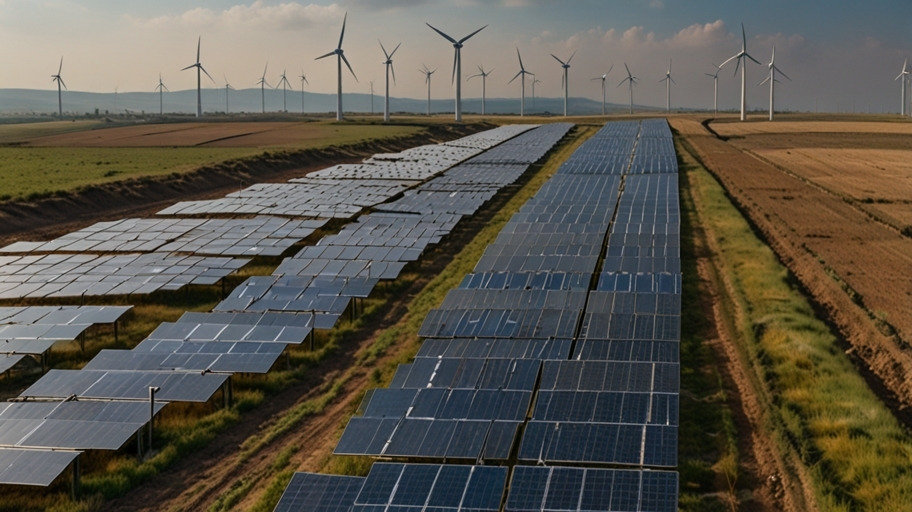
- Transition to Renewable Energy: Azerbaijan has recognized the need to diversify its energy mix and reduce its reliance on fossil fuels. The government has announced plans to increase investments in renewable energy, particularly in wind and solar power. Azerbaijan's geographic location, with abundant sunlight and wind resources, provides a solid foundation for the development of renewable energy projects. The transition to renewable energy could help Azerbaijan reduce its carbon footprint and position itself as a leader in the global energy transition.
Conclusion: Azerbaijan's Strategic Role in Global Energy Markets
Azerbaijan's participation in global energy markets and OPEC+ highlights its importance as a key player in the international energy arena. The country's oil and gas resources have provided it with significant economic and political leverage, while its membership in OPEC+ has allowed it to play a constructive role in global oil supply and demand. However, Azerbaijan faces significant challenges in the years ahead, including declining oil production, price volatility, and managing the global transition to renewable energy.
To maintain its relevance in global energy markets, Azerbaijan will need to continue diversifying its energy exports, investing in new energy technologies, and pursuing a balanced energy policy that aligns its national interests with the broader goals of the global energy community. Through careful diplomacy, strategic investments, and a commitment to sustainable development, Azerbaijan is well-positioned to remain a vital player in the evolving global energy landscape.